
Summer in Japan is often associated with festivals, fireworks, and lively celebrations. Yet there is another side to the season—one that is quieter, slower, and filled with subtle beauty. As temperatures rise and the air grows heavy with humidity, many people seek places that offer not only shade but also peace of mind. Among the temples and gardens around Tokyo, Hasedera in Kamakura provides exactly that. Famous for its hydrangeas in early summer, the temple takes on a different charm in July and August, when thousands of wind chimes gently ring beneath the trees. Here, visitors discover that the feeling of coolness is created not only by temperature, but also by sound, atmosphere, and tradition.
A Temple Overlooking Kamakura
Hasedera is one of Kamakura’s oldest and most beloved Buddhist temples, with a history stretching back more than 1,300 years. Nestled on a hillside overlooking the city, the temple is home to an impressive eleven-headed statue of Kannon, the Buddhist goddess of compassion. Throughout the year, visitors come to admire its peaceful gardens, historic halls, and panoramic views of Kamakura and the nearby coastline.
The temple grounds are built along gentle slopes connected by stone stairways and shaded paths. Bamboo groves, carefully maintained gardens, and small ponds create an atmosphere that feels removed from the busy streets below. Even during the height of summer, the surrounding greenery provides welcome shade, inviting visitors to slow their pace and enjoy the scenery.
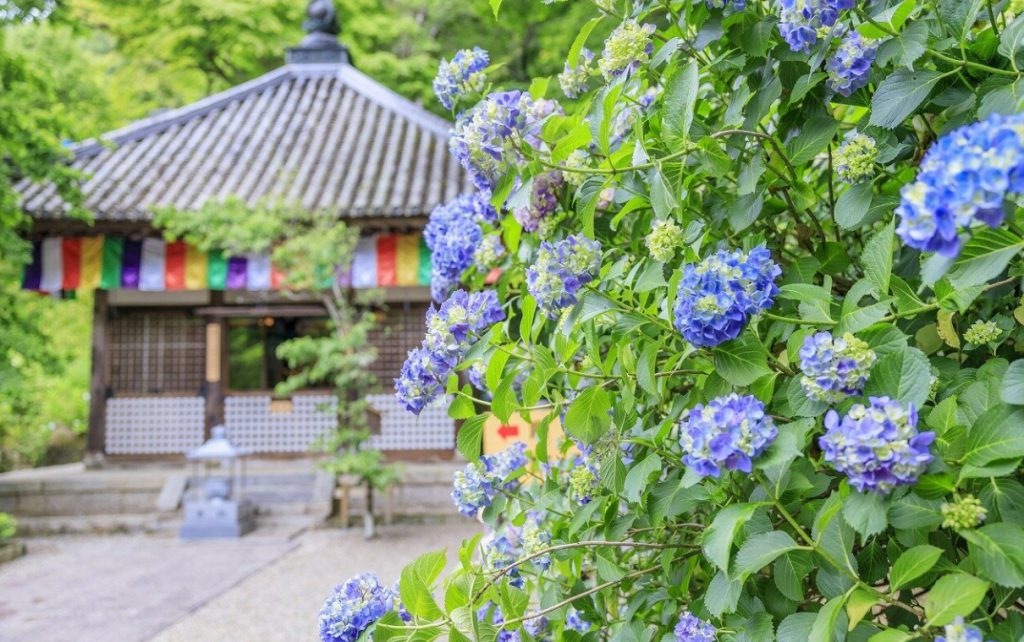
Although Hasedera is well known for its hydrangea season in June, many local residents consider midsummer to be one of its most relaxing times to visit.
The Music of Summer
One of Hasedera’s most distinctive summer traditions is its annual wind chime display. Hundreds of glass wind chimes, known as furin, are suspended throughout the temple grounds, each moving gently with the breeze. Their delicate ringing fills the air with soft, clear tones that have become one of the symbolic sounds of a Japanese summer.
The tradition of hanging wind chimes dates back centuries. Originally believed to ward off misfortune, they gradually became associated with cooling the spirit during hot weather. Although the sound does not actually lower the temperature, many Japanese people say that hearing a wind chime makes them feel refreshed. It is a perfect example of Japan’s appreciation for ryōkan—the cultural idea that coolness can be created through the senses rather than through temperature alone.
Walking beneath rows of gently swaying wind chimes, visitors experience not only a beautiful sight but also a peaceful rhythm that encourages quiet reflection.
Finding Coolness Through Nature
Summer at Hasedera is about more than the wind chimes. The temple’s bamboo groves filter the sunlight into soft green shades, while stone pathways remain pleasantly cool beneath the surrounding trees. Moss-covered gardens, flowing water, and carefully placed plants all contribute to an atmosphere that feels calm despite the summer heat.
This approach reflects a traditional Japanese way of appreciating the seasons. Rather than avoiding summer entirely, people have long looked for places where nature softens its intensity. The gentle sound of insects, the movement of leaves in the breeze, and the changing patterns of light all become part of the experience.
Visitors often find themselves slowing down naturally. Instead of rushing from one attraction to another, they pause to listen, observe, and enjoy the quiet surroundings. In this way, Hasedera offers an opportunity to experience summer with all five senses.
A Different Side of Kamakura
Many visitors know Kamakura for landmarks such as the Great Buddha or its popular beaches. However, Hasedera reveals a quieter side of the historic city. Although it is only about an hour from central Tokyo, the temple feels far removed from the fast pace of urban life.
After visiting the temple, many people enjoy strolling through Kamakura’s small streets, stopping at traditional cafés or browsing local craft shops. Others walk toward Yuigahama Beach to watch the evening sky over Sagami Bay. The combination of history, nature, and seaside scenery makes Kamakura an ideal summer destination for a relaxed day trip.
For students studying in Japan, Hasedera also offers a chance to experience everyday Japanese seasonal culture. The wind chimes, bamboo gardens, and peaceful atmosphere are not grand spectacles, but small details that reveal how people find beauty and comfort during the hottest time of the year.
Listening to the Season
Hasedera reminds us that summer in Japan is not only a season of excitement, but also one of quiet appreciation. While fireworks light up the night sky and festivals fill the streets with energy, temples like Hasedera invite visitors to experience a different rhythm—one defined by gentle sounds, cool green landscapes, and moments of stillness.
For many people, the ringing of a single wind chime is enough to bring back memories of childhood summers and peaceful afternoons. It is a simple sound, yet one that carries deep cultural meaning.
In the end, Hasedera is more than a historic temple. It is a place where architecture, nature, and seasonal traditions come together to create a uniquely Japanese experience. As summer unfolds, the soft music of the wind chimes offers a quiet reminder that sometimes the coolest moments are those that calm the mind rather than the body.
More Information
Hasedera (長谷寺)
3-11-2 Hase, Kamakura City, Kanagawa
Access
5-minute walk from Hase Station (Enoden Line)
Admission
Paid (additional fee may apply during special seasonal events)
Best Time to Visit
Late June for hydrangeas
July–August for the Summer Wind Chime Festival
Autumn for colorful foliage and peaceful temple gardens